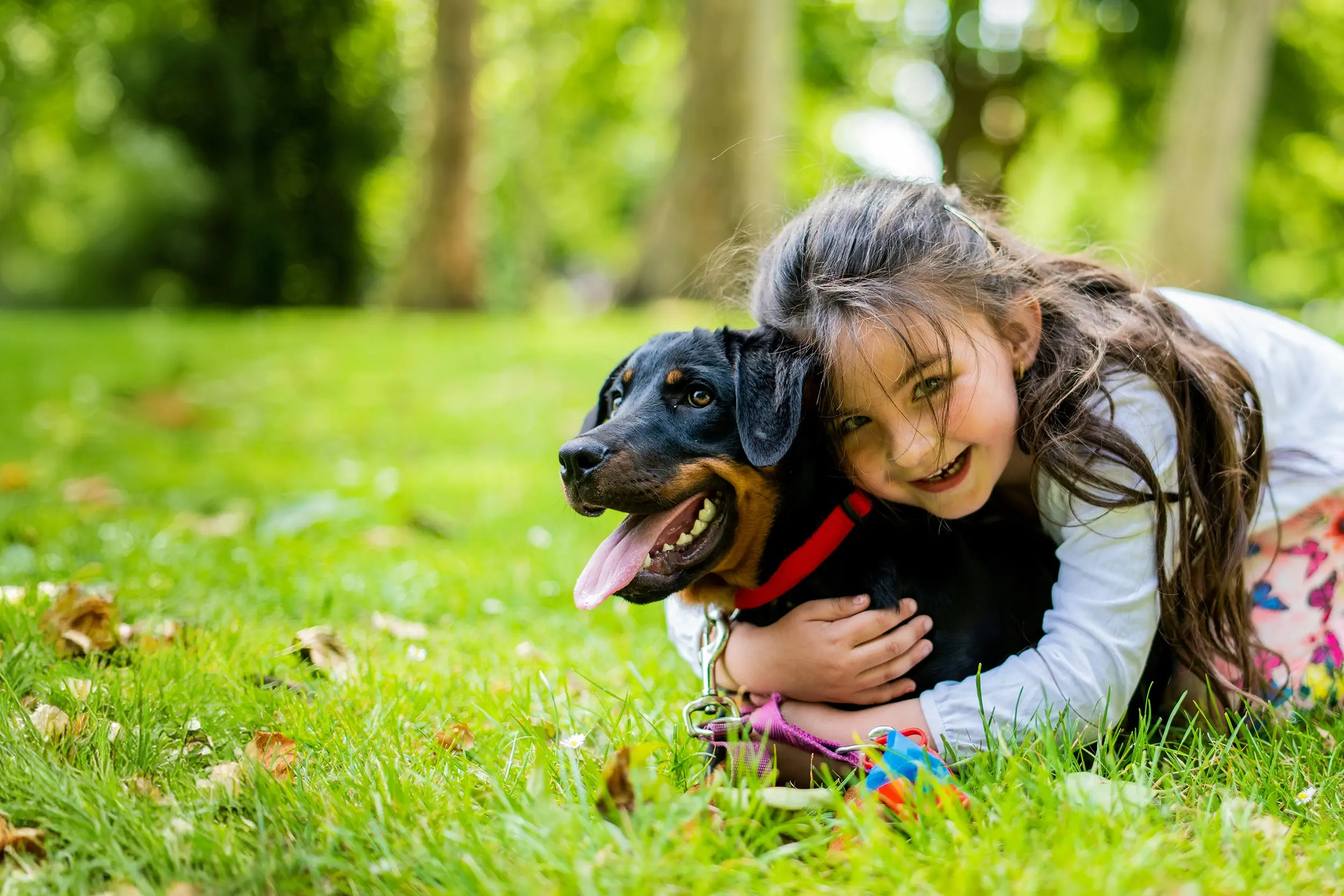
Dog poop may seem like just a messy inconvenience, but it can actually be harmful—especially to children. Beyond the unpleasant odor and the nuisance factor, dog feces can harbor bacteria, viruses, and parasites that pose serious health risks. Children are particularly vulnerable due to their smaller body size, developing immune systems, and their tendency to play in dirt or put their hands in their mouths. Here’s a closer look at the potential dangers and what you can do to keep your family safe.
The Health Risks Lurking in Dog Waste
- Bacterial Infections
Dog poop can contain several harmful bacteria that can infect humans:
- Salmonellosis – Causes fever, vomiting, and diarrhea.
- Campylobacteriosis – Leads to abdominal pain, diarrhea, and fever.
- E. coli – Known for causing severe digestive issues.
- Yersiniosis – An intestinal infection that may result in stomach cramps, fever, and diarrhea.
- Viral Infections
- Parvovirus – While commonly associated with dogs, this highly contagious virus can also impact humans through indirect exposure, leading to serious digestive issues.
- Parasitic Infections
Parasitic organisms found in dog feces can pose significant health threats:
- Roundworms – Can cause toxocariasis, which may result in organ damage or even blindness.
- Hookworms – May lead to skin conditions like cutaneous larva migrans and intestinal infections.
- Whipworms – Cause gastrointestinal symptoms including bloody diarrhea.
- Tapeworms – May lead to intestinal issues and nutritional deficiencies.
- Giardia – A microscopic parasite that can result in prolonged bouts of diarrhea and stomach cramps.
- Additional Health Concerns
- Allergens – Dried feces can become airborne and release allergens that aggravate respiratory issues, especially in children with asthma or allergies.
- Ammonia – Decomposing feces can emit ammonia, which can irritate the eyes, nose, and lungs.
- Environmental Contamination – Dog waste left on the ground can contaminate soil and water supplies, creating long-term environmental health hazards.
How to Protect Children and Prevent Contamination
Fortunately, these risks are manageable with consistent, proactive steps:
- Always pick up after your dog. This is the simplest and most effective way to reduce health hazards. Let Piney Poo Krew handle this for you because you have better things to do.
- Encourage handwashing. Teach children to wash their hands after playing outside or petting animals.
- Keep pets healthy. Routine vet checkups, vaccinations, and parasite prevention treatments help minimize disease spread.
- Supervise children outdoors. Make sure they aren’t playing in areas where dogs frequently defecate or putting dirty hands in their mouths.
- Avoid dog visits to playgrounds. Keep pets out of areas designated for children to play to prevent accidental contamination.
Final Thoughts
Dog ownership brings countless joys, but it also comes with responsibilities—especially when it comes to waste management. Proper cleanup and good hygiene can go a long way in protecting children from the hidden dangers of dog poop. By staying informed and proactive, families can enjoy the companionship of their furry friends without compromising their health.